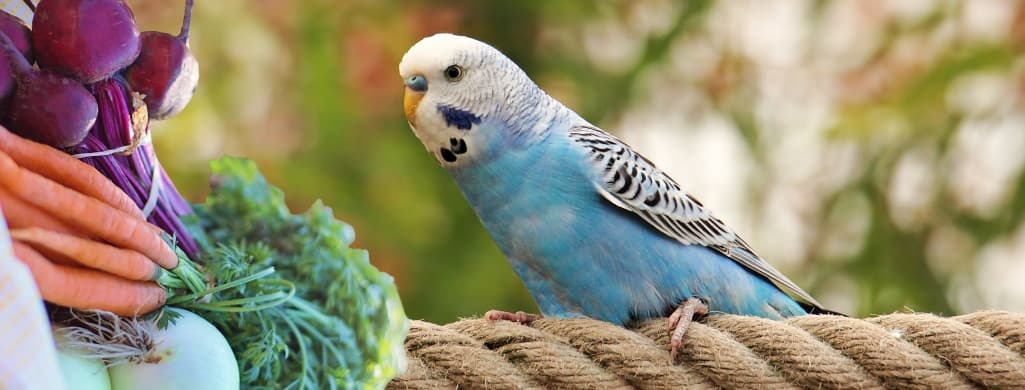
Did you know that budgies need more than just a seed-based diet? Forget about that old misconception!
Fresh veggies are a must for your budgie’s nutrition. So, what vegetables can budgies eat, which are the best for them, and which ones are better avoided?
With so much information out there, it can get confusing. So, let’s break it down with a complete list of vegetables budgies can eat and their nutritional benefits.
- Benefits of Vegetables
- Safe Vegetables for Budgies
- Alfalfa Sprouts
- Aloe Vera
- Artichokes
- Arugula
- Asparagus
- Bamboo sprouts
- Basil
- Beets
- Bell pepper
- Bok Choy
- Broccoli
- Brussel sprouts
- Cabbage
- Carrots
- Cauliflower
- Celery
- Cilantro
- Corn
- Cucumber
- Dandelions
- Dill
- Eggplant
- Edamame
- Green Beans
- Green Chillies
- Ginger
- Hemp Seeds
- Jalapeño
- Kale
- Lettuce
- Lemongrass
- Lentils
- Mint
- Mushrooms
- Okra
- Olives
- Oregano
- Parsley
- Peas
- Pumpkin
- Radishes
- Rosemary
- Rhubarb leaves
- Spinach
- Squash
- Sweet Potato
- Thyme
- Tomatoes
- Watercress
- Zucchini
- Vegetables To Avoid
- FAQ
Benefits of Vegetables for Budgies
For a happy and healthy budgie, you should feed them a balanced diet of top-notch pellets, tasty vegetables, fruits, grains, nuts, and seeds. Vegetables should include at least 20% of their diet.
Remember to add a calcium supplement like Cuttlefish bone, for healthy bones and feathers.
Feeding budgies a variety of foods isn’t just about nutrition. Like us, budgies can get bored with the same meal every day. Mixing in different veggies keeps their meals exciting, prevents boredom, and provides essential vitamins and minerals for their health.
And a bonus? They don’t have the sugar load that fruits carry.
For detailed information on budgie diet check our Complete Guide on Safe Food for Parrots which covers all food types and food portions for your budgie.
What Vegetables Can Budgies Eat?

Can budgies eat Alfalfa Sprouts?
Absolutely! Budgies can eat alfalfa sprouts. They contain a lot of nutrients and are full of vitamins K and A, which are essential for your budgie’s immune system and eye and bone health. Be sure to wash them well before serving.
Can budgies eat Aloe Vera?
While aloe vera is generally safe for budgies, there’s some discussion about its overall safety. It’s mostly viewed as non-toxic for these birds.
However, make sure your budgie doesn’t consume the entire plant. The section between the leaf and gel contains aloin, which can work as a laxative and might give them a bit of tummy trouble.
Can budgies eat Artichokes?
Yep! Budgies can eat artichokes, which are full of fiber and antioxidants. They can be served either raw or cooked.
Can budgies eat Arugula?
Arugula is a safe choice for budgies. It contains vitamins A, C, and K, calcium, and fiber. Some of the health benefits include: eye health, immune support, and bone health. You can serve them raw no problem.
Can budgies eat Asparagus?
Asparagus is safe for budgies to eat, but it might not be their top choice. Asparagus for budgies is a bit of a debate. While some say the Asparagin in it can cause an upset stomach, there’s no solid agreement on its effects yet.
Even though it’s rich in vitamins, other veggies might be more appealing to them. Whether raw or cooked, remember to offer it in moderation.
Can budgies eat Bamboo sprouts?
Yes, budgies can eat bamboo sprouts. However, be mindful that bamboo shoots can contain cyanogenic glycosides called taxiphyllin, so be sure to boil them for around 20-30 minutes first to get rid of the harmful substances.
Can budgies eat Basil?
Certainly! Basil is a great choice for budgies. This flavorful herb comes loaded with antioxidants and vitamin K, A and C, making their meals even tastier. They are great for boosting your budgie’s immune system.
Can budgies eat Beets?
Indeed! Budgies can eat both raw and cooked beets. Both the root and the greens are budgie-approved.They’re not only colorful, but also packed with vitamins A, C and folates that help with blood cell production and prevent inflammation.
Can budgies eat Bell pepper?
Yes! Bell peppers, including the seeds, are a fantastic addition to a budgie’s diet. They’re particularly rich in vitamins C and A, boosting their immunity. For a delightful treat, offer them raw, finely chopped bell peppers.

Can budgies eat Bok Choy?
Bok choy is a safe vegetable for budgies. It contains vitamins C, A, and K which keeps your budgie’s bones, beak, feathers, and immune system strong and healthy.
Can budgies eat Broccoli?
For sure! Budgies can eat broccoli, as it’s packed with antioxidants and vitamins C, K, A, and B which help support immune system and bone health. Plus, there’s the added benefit of fiber.
Serve it either raw or cooked, and steamed rather than boiled to keep more of its nutrients.
Can budgies eat Brussel sprouts?
Yep! Budgies can eat brussel sprouts. They’re a good source of antioxidants, omega-3s and vitamins B6, C, and K. They can be a bit bitter when raw, so consider cooking them before serving.
Can budgies eat Cabbage?
Totally! Whether it’s green cabbage, red cabbage, napa cabbage, or savoy cabbage, budgies can enjoy all types of cabbage. These leafy greens are rich in vitamins K and C, as well as calcium, which supports bone health and aids digestion.
Can budgies eat Carrots?
Of course! Budgies can eat carrots. Carrots are not only crunchy and fun to eat but they are also excellent sources of vitamins C, K, and A as beta-carotene which is great for eye health. They can be a part of your bird’s diet either raw or cooked.
Can budgies eat Cauliflower?
Cauliflower is a great choice for budgies. All parts of the cauliflowers can be fed to budgies, head, stems and leaves. It contains vitamins C, K, and B6 which supports bone health and boosts immunity. You can serve it raw or cooked.
Can budgies eat Celery?
Indeed! Budgies can eat celery stalks and seeds. Though celery is mostly water and isn’t super nutritious, its crunchy texture is something budgies will appreciate. Just offer in moderation.
Can budgies eat Cilantro?
Definitely! Cilantro, with its leaves, stems, and seeds, can be a flavorful addition to your budgie’s meals. Fresh or dried, both work. Cilantro is rich in vitamins A, C, and K, which serve as antioxidants and boosts immunity.
Can budgies eat Corn?
Yes, they can! Budgies can enjoy corn or sweetcorn straight from the cob, either in its raw form or cooked. Just remember, due to its sugary nature, offer it in moderation as a treat now and then. Corn contains B vitamins.

Can budgies eat Cucumber?
Sure thing! Both cucumbers and their seeds are a crunchy snack for budgies. As they’re mostly water, serve in moderation and ensure they’re washed properly.
Can budgies eat Dandelions?
Dandelions and all its parts, including dandelion flowers, leaves, and seeds, are safe for budgies to eat. Dandelions contain vitamins A, C, and K which support liver and bone health.
You can feed wild dandelions you find outside, just be sure to wash them thoroughly to prevent your budgie from ingesting any pesticides.
Can budgies eat Dill?
Dill is a safe herb for budgies to eat. You can hang the entire stem in their cage for them to nibble on, as it encourages their foraging behavior.
Can budgies eat Eggplant?
Budgies can eat eggplant, but with caution. Keep in mind the toxic nature of eggplant leaves and stems, so cut them out before feeding eggplant to your birds.
Remove the peel and offer baked slices, as raw ones can be quite bitter for them.
Can budgies eat Edamame?
Yes, budgies can eat edamame beans. They are rich in protein and are a great energy source for budgies. Preferably steam or boil them before serving them to your birds.
Can budgies eat Green Beans?
Green beans are a great addition to your budgie’s diet. They are packed with vitamins K, C and A and are a great source of fiber. They boost the immune system, blood coagulation, and feathers.
Can budgies eat Green Chillies?
Green chillies are an excellent food source for budgies. They are rich in vitamin A, C, and antioxidants which promote healthy eyesight, and boosts immune systems.
Can budgies eat Ginger?
Ginger is not only safe for budgies but also beneficial. Ginger tea can be a helpful home remedy for budgies that get motion sickness during travel. The branches and leaves of the ginger plant also promote digestion and can help cure an upset stomach.
Can budgies eat Hemp Seeds?
Yes, hemp seeds are a great protein and energy source for budgies. They contain many amino acids that help your budgie have beautiful feathers. Just remember to serve them in moderation.
Can budgies eat Jalapeño?
Interestingly, yes! Budgies don’t feel the spicy kick of capsaicin like we do, so japaleños are a great choice for them. Offer them jalapeños raw, cooked, or even whole for a fun snack time experience, letting them discover the seeds inside, which are safe to eat too.
Can budgies eat Kale?
Definitely, budgies can eat kale. This leafy green is rich in vitamins A, C, K, calcium, and antioxidants beneficial for a budgie’s well-being. Offer it either raw or slightly cooked.
Can budgies eat Lettuce?
Absolutely. Budgies can enjoy lettuce, though romaine lettuce or butterhead lettuce are preferable to iceberg lettuce due to the latter’s high water content and lesser nutritional benefits.
Can budgies eat Lemongrass?
Lemongrass is a fantastic herb for budgies, offering a hint of citrus to their meals. The bulb is particularly tasty, but you can also serve the leaves by cutting them into small pieces. It’s beneficial as a digestive aid.
Can budgies eat Lentils?
Yes! Budgies can eat lentils, but only if they are sprouted or cooked. Raw lentils and beans contain phytates and lectins, which affect nutrient absorption. To neutralize this, either soak them for 6 hours, sprout them, or boil the lentils before feeding them to your budgie. Lentils are an excellent source of iron, fiber and protein.
Can budgies eat Mint?
Mint is a safe herb that budgies can eat. Mint can aid digestion and can have calming effects on anxious birds.

Can budgies eat Mushrooms?
Not a vegetable but I still want to mention it. The safety of mushrooms for budgies is debated. Some owners believe cooked mushrooms are safe, while others warn about stems. Many budgie owners have given store-bought mushrooms like porcini, cremini, and portobello mushrooms without issues. So, to be on the safe side, maybe lean into veggies, greens, and fruits instead.
Can budgies eat Okra?
Certainly! Okra offers antioxidants and a mix of vitamins A, K, and C. It’s also beneficial for maintaining stable blood sugar and boosting immunity. You can serve it either raw or cooked.
Can budgies eat Olives?
Budgies can eat olives, but keep in mind they are high in fats. And if they’re from a can they are going to be too salty which is not healthy for budgies. So it’s better to just give them occasionally as a treat.
Can budgies eat Oregano?
Yes, oregano can be eaten by budgies safely. This aromatic herb is packed with antioxidants that can boost your budgie’s immunity and also serves as a digestive aid.
Can budgies eat Parsley?
Indeed, budgies can eat parsley. Offer it sparingly, and mixed with other veggies. Its oxalate content can interfere with calcium absorption, so give in moderation. You can serve it fresh and finely chopped.
Can budgies eat Peas?
Absolutely! Many budgies love to eat peas. Whether it’s sweet peas, green peas, or snow peas, they are packed with proteins and essential vitamins like A, B, C and K which promote healthy skin, feathers, bones, and immunity. They have a crunchy texture when raw, but can also be served cooked.
Can budgies eat Pumpkin?
Yep! Budgies can eat all parts of the pumpkin, seeds included. With its fiber, vitamin A, and calcium content, it aids digestion, bone health, and feather quality. Serve pumpkin raw or cooked. If you decide to roast the seeds, ensure your budgie’s share is unsalted.
Can budgies eat Radishes?
Certainly! Budgies can eat radish. Radishes bring calcium and vitamin C to the table, supporting your budgie’s immune system. Offer these either fresh or cooked.
Can budgies eat Rosemary?
Yes, budgies can eat rosemary. It’s a safe and nutritious herb that has vitamins A, B6, and C, and also iron, and calcium which help with red blood cell formation, bones and feathers. Rosemary also has anti-inflammatory and antibacterial benefits.
Can budgies eat Rhubarb leaves?
Rhubarb stems are safe for budgies to eat, but its leaves are a no-go due to their high oxalic acid content, which can be toxic for budgies. Better steer clear and pick a healthier option.
Can budgies eat Spinach?
Definitely, spinach is a nutrient-rich choice for budgies. It’s full of vitamins A, K, iron, and antioxidants. It is important to note that spinach contains oxalic acid, which can inhibit calcium absorption. So it’s best to feed it in moderation and mixed with other veggies.
Can budgies eat Squash?
For sure! All varieties of squash can be eaten by budgies. They’re nutrient-dense, especially with vitamins A and C which boost immune system, and promote healthy eyesight. Both winter and summer variants, including butternut squash, can be given raw or cooked.
Can budgies eat Sweet Potato?
Yes, sweet potato is an excellent food for budgies. It has a lot of vitamins including vitamins A, C, and B6 that promotes healthy eyesight, feathers, and bones. Be sure to cook it before serving it to your budgies.
Can budgies eat Thyme?
Thyme is safe for budgies to eat. This herb is a great source of antioxidants and vitamins A, B6, and C. Thyme helps boost your budgie’s immune system and also has anti inflamatory effects.
Can budgies eat Tomatoes?
Budgies can eat tomatoes, but with some precautions. While the fruit and seeds are fine, remember to exclude the toxic leaves and stems. Tomatoes contain vitamin C and lycopene that help support the immune system.
Because of its acidic nature, feeding green or unripe tomatoes might cause an upset stomach, so serve them ripe and in moderation.
Can budgies eat Watercress?
Yes, budgies can eat watercress. Watercress is high in vitamins A, C and also in iron and calcium. Its health benefits include boosting the immune system, and promoting healthy feathers and bones. You can serve it fresh, but be sure to wash it thoroughly.
Can budgies eat Zucchini?
Absolutely. Zucchini, packed with vitamins C and K, is a healthy addition to your budgie’s diet. Serve it up either raw or gently cooked.
What Vegetables Should You Avoid?

Can budgies eat Garlic?
Garlic is a not safe for budgies. Garlic has sulfur components that can upset your budgie’s tummy and lead to health complications like hemolytic anemia and digestive problems.
Can budgies eat Onions?
Avoid this one. Onions are not safe for budgies. Like garlic, onions carry sulfur elements that can harm a budgie’s digestion and lead to further health problems.
In fact, all members of the Allium family, which includes chives, leek, shallots, and spring onions, are harmful for budgies and should be avoided.
For an in-depth guide on other common toxic foods for budgies, read ourToxic Foods for Birds list.
FAQ
Can budgies eat raw vegetables?
Yes, budgies can eat raw vegetables. It’s essential to ensure they are clean and free from pesticides. Always introduce new foods gradually and observe for any reactions.
What vegetables can’t budgies eat?
Budgies should avoid vegetables like onions, garlic, chives, leeks, shallots, and the leaves and stems of tomatoes, eggplants, and vegetables of the nightshade family, as these can be toxic to them.
What vegetables do budgies like best?
Budgies often enjoy carrots, bell peppers, broccoli, peas, and leafy greens like kale. However, preferences can vary, so it’s a good idea to experiment with different safe vegetables to see which ones your budgie likes best.
Can budgies eat vegetables everyday?
Yes, budgies can eat vegetables daily. Offering a variety of vegetables ensures they receive essential nutrients. However, it’s essential to balance their diet with pellets, fruits, sprouts, seeds, and nuts.
Can budgies eat cooked vegetables?
Yes, budgies can eat cooked vegetables, but they should be served plain, without any added oils, salts, or seasonings. Ensure they are cooled to room temperature before offering them to your budgie.
So what vegetables can budgies eat? Fresh food is a must, and that includes vegetables. Try out the various vegetables from the list we shared earlier and see how your budgie likes them. For a healthy diet, diversity is key for most birds, including budgies. Happy feeding!
Get insights into your budgie’s lifespan and how to extend it with our Budgie Lifespan Guide.
Thinking about getting yourself a bird buddy? Check our guide on Best Pet Birds for Beginners & Pet Parrot Costs featuring budgies and other parrots perfect for newbies.